
What Makes Cashless Health Insurance Plans Ideal for Medical Emergencies?
When a medical emergency happens, your attention naturally shifts to getting the right care. You may not want to spend that time figuring out how hospital payments work. This is where cashless health insurance can be useful. Under a health insurance policy, a cashless facility allows eligible treatment costs to be paid directly to a network hospital, subject to pre-authorisation and the policy terms.
How Does Cashless Health Insurance Work at a Network Hospital?
Cashless treatment is linked to network hospitals that have an arrangement with the insurer. It does not mean that every hospital expense is settled by the insurer. The applicable policy terms, limits, co-payment, deductibles, and other conditions continue to matter.
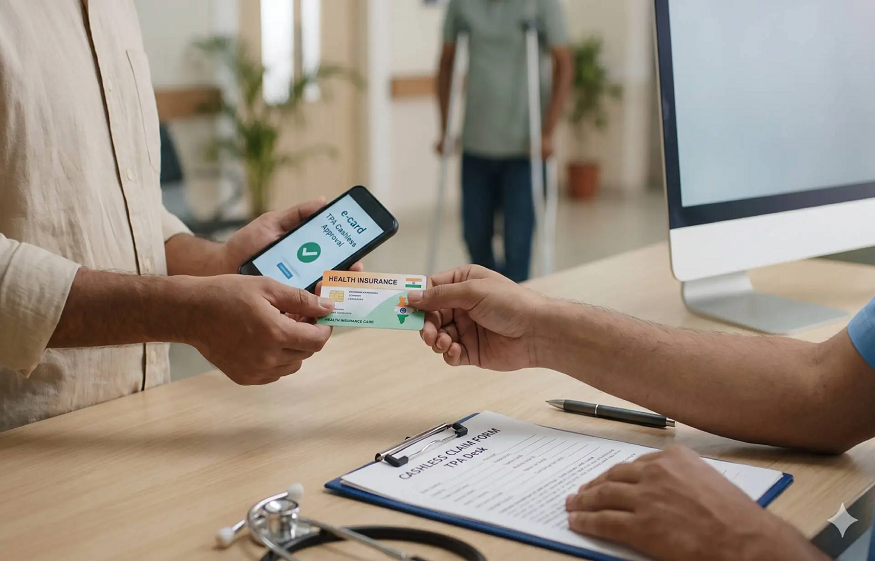
The broad process can look like this:
- Check the network: Confirm that the hospital is currently part of the insurer’s network.
- Share your details: Provide the required policy or health insurance information to the hospital.
- Complete the request: The hospital may submit the necessary cashless or pre-authorisation request.
- Follow the applicable process: Treatment and payment arrangements proceed according to the policy terms and the relevant authorisation.
For current requirements, always check the insurer’s official resources and your policy documents.
Why Does the Hospital Network Deserve Your Attention?
A hospital network is not simply a number on a policy page. What matters is whether the network includes hospitals in places that are relevant to you.
Suppose you live in one city but regularly travel for work. A network that extends across those locations may give you more options when you need hospital care. You can therefore assess the network from your own routine rather than focusing only on its overall size.
When comparing health insurance plans, ask yourself:
| What to Check | Why It Matters |
| Hospital locations | Helps you identify network facilities near places you frequently visit |
| Network status | Hospital arrangements can change, so current information matters |
| Policy limits | Applicable limits can affect the expenses considered under the policy |
| Co-payment or deductible | You should understand any amount that may remain payable by you |
| Waiting periods | These can vary according to the policy and benefit involved |
Can a Large Network Alone Help You Choose a Policy?
Not necessarily. A broad network is one consideration among several. You also need to examine the sum insured, waiting periods, applicable limits, exclusions, co-payment, deductibles, and other policy conditions.
It is also worth checking whether the hospitals you are likely to use are actually included in the current network. A long list is less useful if the facilities relevant to your location or needs are not included.
What Should You Check Before You Need Cashless Care?
Do not wait until hospital admission to understand your policy. Keep your policy details accessible and check the current network information periodically.
Most importantly, read the policy wording instead of relying only on a hospital list or a brief product description. The network tells you where the cashless facility may be available; the policy document explains the terms that govern the cover.
Conclusion
The cashless facility can simplify how eligible hospital expenses are handled, but it works within the framework of the policy. The smarter approach is to look beyond the size of the hospital network and understand its relevance to your locations, alongside the policy’s terms and conditions.
A little attention before you need medical care can help you understand your options more clearly when the situation demands quick decisions.