Where Mountains Test the Heart: Dreams, Fear, and the Long Walk Above the Clouds
There is something very strange about mountains. Hard to explain, honestly. They don’t call you loudly. No noise, no pressure. But somewhere inside, very quietly, they sit in your mind like unfinished thoughts. Many people feel this but cannot put it into words. The wish to walk higher, breathe thinner air, and see the world from a place where everything below looks small, almost peaceful. High-altitude adventures are not only trips. They are feelings, long emotions stretched across days, sometimes weeks. Cold mornings, tired legs, unexpected strength, and moments where silence speaks more than any guidebook ever could.
Among many Himalayan journeys, a few names keep appearing in conversations, in dreams, and in plans written on scrap papers: Island Peak Climbing, Lobuche Peak Climbing, Mera Peak Climbing, and the unforgettable Everest Three Pass Trek. Each one is very different. Each one is difficult in its own way. Each one carrying stories that stay with a person long after coming home.
Island Peak Climbing—The First Big Test
Island Peak climbing often becomes the starting dream for many trekkers who want something more than just walking. It is like a bridge between trekking and mountaineering. Not extremely technical, but not easy at all. The mountain stands there with calm confidence, around 6,189 meters, quietly reminding everyone that altitude itself is a challenge. What makes Island Peak special is not only height. It is the experience around it. The journey through the Everest region passes villages where life moves slowly, where children smile without reason, and where prayer flags dance endlessly with the wind. You feel excitement, yes, but also a strange nervous energy.
The climb day feels different from trekking days. Everything becomes sharper. The cold feels deeper. Your thoughts are louder. The glacier crossing, the fixed ropes, the final ridge—every step demands attention. No distraction possible. No careless movement allowed. And yet, when the summit comes, the feeling is not a wild celebration like movies show. It is quieter. Almost emotional. A mix of relief, pride, and disbelief. You look around, and suddenly the world seems very large and very small at the same time.
Lubuche Peak Climbing – Strength with Patience
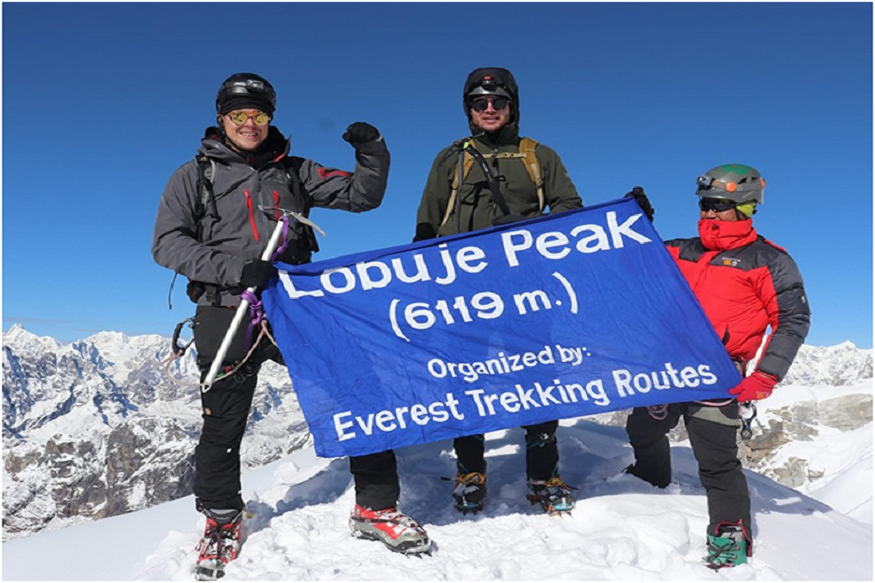
Lubuche Peak climbing carries a slightly different personality. More demanding, more serious. Around 6,119 meters, yes, but numbers never tell the full story. The mountain asks for patience. It asks for discipline. The trail leading to Lobuche already prepares you mentally. Long walking days, changing landscapes, and weather that refuses to stay predictable. Some days bright sunshine, the next day wind biting like needles. The body slowly adjusts but never fully comfortably. Lubuche Peak does not forgive laziness. The slopes are steeper and the terrain more technical compared to beginner peaks. Climbers must trust ropes, trust crampons, and trust their own balance. Fatigue becomes a constant companion.
Read More: Everest Base Camp Trek Permits: What You Need and How to Get Them
But strangely, this is where many people discover something unexpected. Not physical power. Not heroic bravery. Something softer yet stronger—steady determination. The ability to continue when comfort disappears. The ability to stay calm when breathing becomes work. Summiting Lobuche feels less like conquering and more like negotiating. A respectful agreement between climber and mountain. You reached the top not because you were the strongest, but because you stayed consistent.
Mera Peak Climbing—The Long, Beautiful Challenge
Mera Peak Climbing is often described as the highest trekking peak in Nepal, rising to 6,476 meters. But again, height is only one part of its story. Mera Peak feels vast. Open. Almost endless. The approach itself is a journey of isolation and beauty. Unlike busier Everest trails, Mera routes often feel quieter and more remote. Forests, wide valleys, frozen rivers, and villages that look like time forgot them. Silence becomes a real presence, not just the absence of noise. The climb is physically demanding. No dramatic technical difficulty like steep rock faces, but the sheer length and altitude make it a serious test. Walking for hours on snow slopes where every step sinks slightly, where breathing feels like borrowing air rather than owning it.
What surprises many climbers is the mental game. The slow pace, the endless white surroundings, and the repetition of movement. Step, breathe; step, breathe. It becomes almost meditative. Or exhausting. Sometimes both. Then the summit views—this is where Mera truly shows its magic. Five of the world’s highest mountains are visible, standing like silent giants. Everest, Lhotse, Makalu, Cho Oyu, and Kanchenjunga. It feels unreal, like looking at a painting rather than reality. People often speak of Mera Peak with deep affection. Not because it was easy. Because it was honest. Pure. Raw.
Everest Three Pass Trek—The Journey That Changes Everything
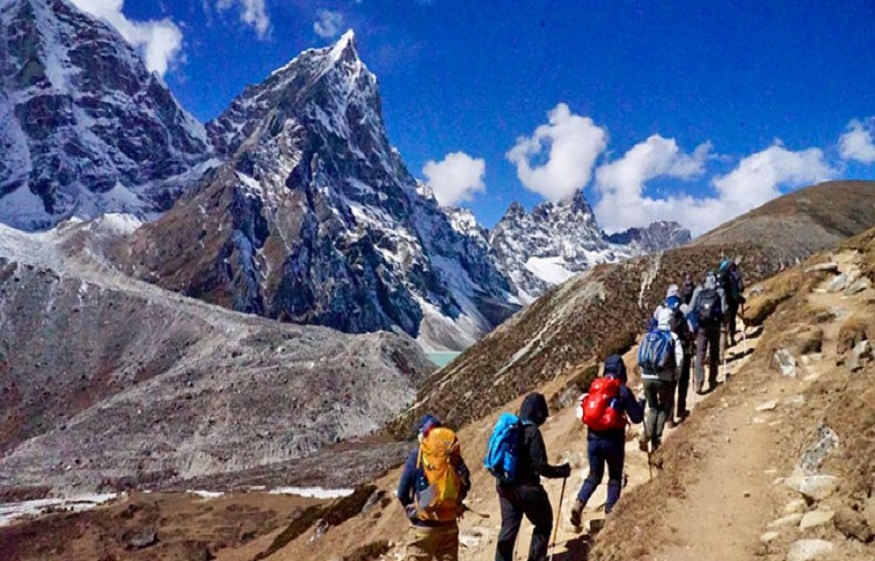
If peak climbing is about reaching summits, the Everest Three Pass Trek is about embracing the entire experience of high mountains. It is not one challenge but many woven together. Kongma La, Cho La, and Renjo La—each pass with its own mood and its own difficulties. This trek is not gentle. It does not pretend to be. Long walking days, constantly changing altitude, and terrain that shifts from rocky trails to icy slopes, from quiet valleys to dramatic ridges. What makes the Everest Three Pass Trek unforgettable is the diversity of emotions it creates. One day you feel unstoppable, walking with confidence, enjoying views, and feeling strong. The next day everything feels heavy. Legs slow, mind doubtful, weather unfriendly. And this unpredictability becomes the true lesson.
Crossing high passes is not only physical effort, either. It is psychological endurance. The cold wind hitting your face, the steep ascent stretching endlessly, the knowledge that turning back is possible but painful. These moments carve something inside a person. The trek also offers something deeply human—connection. Tea houses, shared meals, tired smiles exchanged between strangers, and stories told over hot drinks. In harsh environments, small comforts feel incredibly meaningful. By the time trekkers complete the circuit, something always changes. Not dramatically visible perhaps, but internally very real. A stronger patience. A calmer mindset. A new understanding of personal limits.
Why These Adventures Stay Forever
Many people assume such journeys are about fitness or adventure thrills. But anyone who has walked high Himalayan trails knows the truth is different. Mountains strip away distractions. No luxury of overthinking. No space for unnecessary noise. Life becomes simple. Eat, walk, rest, breathe. And within this simplicity, clarity appears.
You notice small things—the sound of boots on snow, the warmth of sunlight after a freezing night, the comfort of conversation, and the strength of silence. Gratitude grows naturally, without effort. Fear also plays a role. Altitude discomfort, exhaustion, and unpredictable weather. But fear here feels educational rather than paralyzing. It teaches awareness, humility, and respect.
Choosing Between Trekking and Climbing
People often ask which is better—climbing peaks or doing long treks. But honestly, the comparison feels unfair. They are different experiences speaking different emotional languages. Island Peak Climbing, Lobuche Peak Climbing, and Mera Peak Climbing—these offer summit focus, technical engagement, and intense moments of effort and reward. The Everest Three Pass Trek offers immersion, continuity, and a longer story unfolding step by step.
Some travelers start with trekking and later move to climbing. Others do the opposite. There is no fixed rule. Only personal preference and personal curiosity.
The Reality Behind the Dream
High-altitude adventures are beautiful, yes, but never easy. Cold, fatigue, slow progress, occasional discomfort—these are part of the package. Anyone expecting constant excitement will feel surprised. But this difficulty is exactly what creates meaning. Comfort rarely produces memorable stories. Struggle often does.
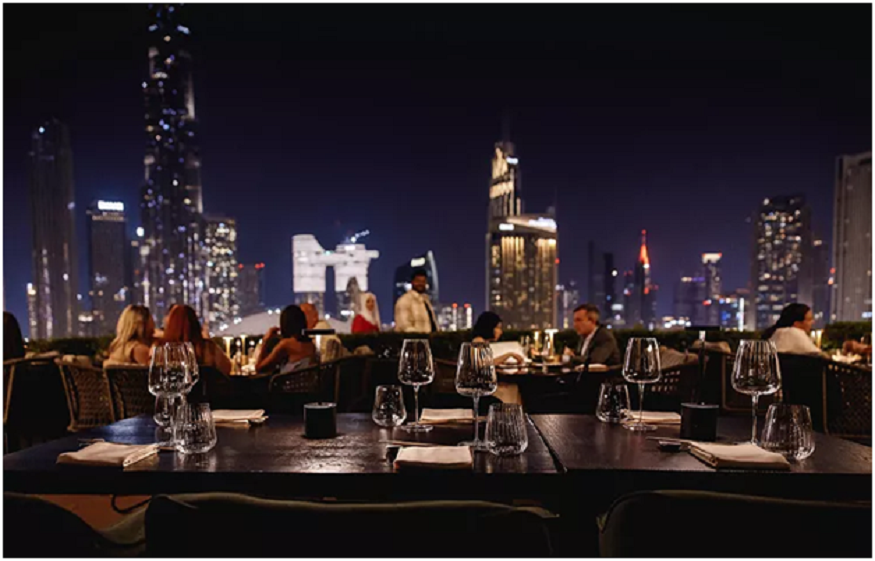
Read More: Rooftop Dining Elevated: Experience Panoramic Views and Fine Cuisine
Preparation matters greatly. Physical conditioning, mental readiness, and proper acclimatization. Mountains reward respect and punish carelessness. Experienced companies and guides play a critical role, not only for safety but also for overall journey quality.
What People Truly Bring Back
When travelers return from these Himalayan journeys, they don’t only carry photographs. They carry perspective. Daily stress feels smaller. Patience feels stronger. Confidence feels quieter but deeper. There is a subtle shift in how challenges are viewed. After walking 5,000 meters with tired legs and in thin air, many problems lose their intimidating weight.
Memories of cold mornings, long climbs, shared laughter, and silent sunsets—these stay alive inside the mind like permanent companions. Mountains never guarantee comfort. They never promise ease. But they offer something very rare in modern life—raw, honest experience. Island Peak climbing, Lubuche Peak climbing, Mera Peak climbing, and the Everest Three Pass Trek—these are not just travel plans. They are personal journeys, different for every individual, yet equally powerful.
Contact Details
——————————–
Company address: Everest Trekking Routes Pvt. Ltd.
16 Khumbu, Nayabazaar, Kathmandu, Nepal
Mobile: +977-9843467921 (Rabin)
Email: [email protected]
URL:– www.everesttrekkingroutes.com